

As a supplier of GCS Capacitor Cabinets, I often get asked about the grounding requirements for these cabinets. Grounding is a crucial aspect of electrical safety, and it's essential to understand the specific requirements for GCS Capacitor Cabinets to ensure proper installation and operation.
Why Grounding is Important
First off, let's talk about why grounding is so important. Grounding provides a path for electrical current to flow safely into the earth in case of a fault. This helps prevent electrical shock, protects equipment from damage, and reduces the risk of fires. In a GCS Capacitor Cabinet, grounding is especially important because capacitors store electrical energy. If there's a fault or a short circuit, the excess energy needs to be safely dissipated to prevent damage to the cabinet and the surrounding equipment.
Grounding Requirements for GCS Capacitor Cabinets
1. Grounding Conductor Size
The size of the grounding conductor is determined by the electrical load and the fault current that the cabinet may experience. Generally, the grounding conductor should be large enough to carry the fault current without overheating. The National Electrical Code (NEC) provides guidelines on the minimum size of grounding conductors based on the ampacity of the circuit. For GCS Capacitor Cabinets, it's important to follow these guidelines to ensure proper grounding.
2. Grounding Connection
The grounding connection should be made directly to the cabinet frame. This connection should be secure and free of any corrosion or loose connections. A good practice is to use a grounding lug or a bonding jumper to connect the grounding conductor to the cabinet frame. The connection should be inspected regularly to ensure that it remains tight and in good condition.
3. Grounding Electrode
A grounding electrode is required to provide a low-resistance path to the earth. This can be a metal rod driven into the ground, a metal water pipe, or a concrete-encased electrode. The grounding electrode should be installed in accordance with the NEC requirements. The resistance of the grounding electrode system should be measured periodically to ensure that it remains within the acceptable range.
4. Bonding
Bonding is the process of connecting all metal parts of the cabinet together to ensure electrical continuity. This includes the cabinet frame, doors, panels, and any other metal components. Bonding helps prevent the buildup of static electricity and ensures that all parts of the cabinet are at the same electrical potential. A bonding jumper should be used to connect the metal parts of the cabinet together.
Comparison with Other Cabinet Types
It's interesting to compare the grounding requirements of GCS Capacitor Cabinets with other types of cabinets, such as GGD Outgoing Cabinet and GGD Filter Cabinet. While the basic principles of grounding are the same for all types of cabinets, there may be some differences in the specific requirements.
For example, the GGD Outgoing Cabinet is designed for outgoing power distribution. It may have different grounding requirements depending on the size and type of the electrical load. The GGD Filter Cabinet, on the other hand, is used for filtering electrical noise and harmonics. It may require additional grounding to ensure proper operation of the filtering components.

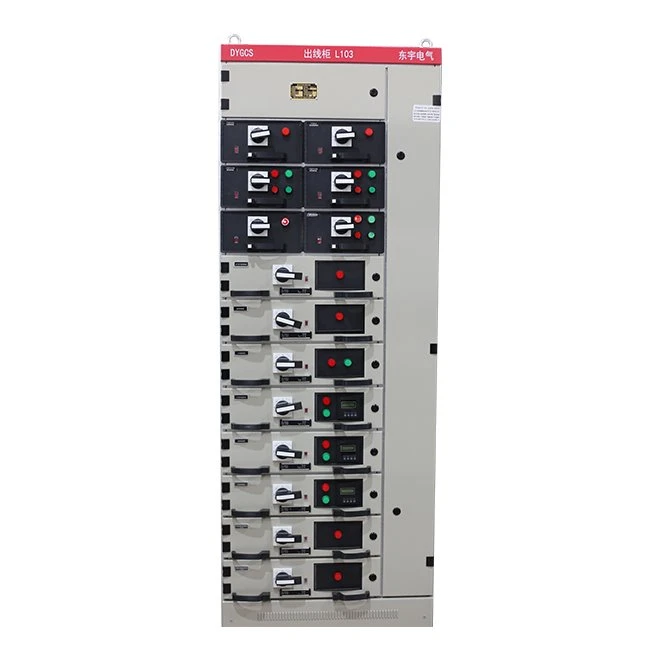
Another type of cabinet is the GCS Outgoing Cabinet. Like the GCS Capacitor Cabinet, the GCS Outgoing Cabinet also requires proper grounding to ensure electrical safety. However, the specific grounding requirements may vary depending on the application and the electrical system.
Installation and Maintenance
Proper installation and maintenance are key to ensuring that the grounding system of a GCS Capacitor Cabinet works effectively. During installation, it's important to follow the manufacturer's instructions and the NEC requirements. The grounding conductor should be installed correctly, and the grounding connection should be made securely.
Regular maintenance is also important. The grounding system should be inspected periodically to check for any signs of damage or corrosion. The resistance of the grounding electrode system should be measured at least once a year to ensure that it remains within the acceptable range.
Conclusion
In conclusion, the grounding requirements for a GCS Capacitor Cabinet are essential for electrical safety. By following the guidelines for grounding conductor size, grounding connection, grounding electrode, and bonding, you can ensure that your GCS Capacitor Cabinet is properly grounded. Remember to compare the grounding requirements with other types of cabinets and to perform regular installation and maintenance to keep the grounding system in good condition.
If you're in the market for a GCS Capacitor Cabinet or have any questions about grounding requirements, feel free to reach out. We're here to help you make the right choice for your electrical system.
References
- National Electrical Code (NEC)
- Manufacturer's installation and maintenance manuals for GCS Capacitor Cabinets


