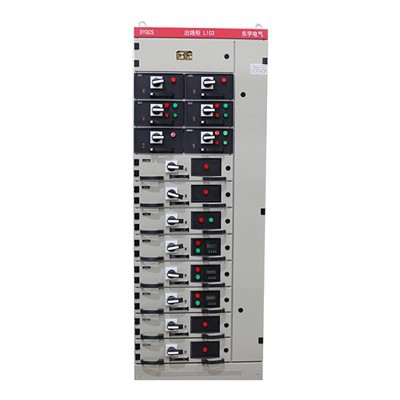
As a supplier of GCS Capacitor Cabinets, I am often asked about the overload capacity of these cabinets. Understanding the overload capacity is crucial for ensuring the safe and efficient operation of electrical systems, as it determines how well the cabinet can handle excessive loads without failing. In this blog post, I will delve into the concept of overload capacity, explain how it applies to GCS Capacitor Cabinets, and discuss the factors that influence it.
What is Overload Capacity?
Overload capacity refers to the ability of an electrical device or system to handle a load that exceeds its rated capacity for a certain period. Every electrical component, including capacitors and capacitor cabinets, has a rated capacity, which is the maximum load it can handle under normal operating conditions. However, in real-world scenarios, electrical systems may experience temporary overloads due to various reasons, such as sudden increases in power demand, short circuits, or equipment malfunctions.


The overload capacity of a GCS Capacitor Cabinet is typically expressed as a percentage of its rated capacity and a time duration. For example, a cabinet may have an overload capacity of 120% of its rated capacity for 30 minutes. This means that the cabinet can safely handle a load that is 20% higher than its rated capacity for up to 30 minutes without suffering any damage or significant reduction in performance.
Why is Overload Capacity Important?
The overload capacity of a GCS Capacitor Cabinet is important for several reasons. Firstly, it provides a margin of safety for electrical systems. In the event of a temporary overload, the cabinet can continue to operate without tripping or failing, which helps to prevent power outages and damage to other electrical equipment. Secondly, it allows for flexibility in system design and operation. Electrical systems may need to accommodate occasional spikes in power demand, and a cabinet with a higher overload capacity can handle these spikes without the need for costly upgrades or additional equipment.
Factors Affecting the Overload Capacity of GCS Capacitor Cabinets
Several factors can influence the overload capacity of GCS Capacitor Cabinets. These factors include:
1. Capacitor Ratings
The ratings of the capacitors used in the cabinet play a significant role in determining its overload capacity. Capacitors are designed to handle a certain amount of current and voltage, and their ratings are based on factors such as the type of dielectric material, the size of the capacitor plates, and the operating temperature. Capacitors with higher ratings can handle higher overloads for longer periods.
2. Cooling System
The cooling system of the cabinet is another important factor. Adequate cooling is essential for dissipating the heat generated by the capacitors during operation. A well-designed cooling system can help to maintain the temperature of the capacitors within a safe range, even during overload conditions. This, in turn, can improve the overload capacity of the cabinet.
3. Circuit Protection
The circuit protection devices used in the cabinet, such as fuses and circuit breakers, also affect its overload capacity. These devices are designed to trip or blow when the current exceeds a certain level, thereby protecting the capacitors and other components from damage. The proper selection and sizing of circuit protection devices are crucial for ensuring the safe operation of the cabinet under overload conditions.
4. Cabinet Design
The design of the cabinet itself can impact its overload capacity. A cabinet with a robust and well-ventilated design can provide better protection for the capacitors and other components, allowing them to handle higher overloads. Additionally, the layout of the components within the cabinet can affect the distribution of heat and the flow of current, which can also influence the overload capacity.
Calculating the Overload Capacity of GCS Capacitor Cabinets
Calculating the overload capacity of a GCS Capacitor Cabinet is a complex process that requires a thorough understanding of the electrical characteristics of the capacitors, the cooling system, and the circuit protection devices. In general, the overload capacity is determined by conducting tests on the cabinet under various load conditions and measuring the performance of the capacitors and other components.
Manufacturers typically provide specifications for the overload capacity of their GCS Capacitor Cabinets based on these tests. These specifications can be used as a guide for selecting the appropriate cabinet for a particular application. However, it is important to note that the actual overload capacity may vary depending on the specific operating conditions and the quality of the installation.
Applications of GCS Capacitor Cabinets with High Overload Capacity
GCS Capacitor Cabinets with high overload capacity are commonly used in a variety of applications where electrical systems may experience temporary overloads. Some of these applications include:
1. Industrial Plants
Industrial plants often have large electrical loads that can vary significantly depending on the production process. A GCS Capacitor Cabinet with high overload capacity can help to ensure the stable operation of the electrical system, even during periods of high demand.
2. Commercial Buildings
Commercial buildings, such as shopping malls, hotels, and office buildings, may also experience temporary overloads due to factors such as the operation of large electrical appliances, lighting systems, and HVAC equipment. A capacitor cabinet with high overload capacity can help to prevent power outages and damage to the electrical system.
3. Renewable Energy Systems
Renewable energy systems, such as solar and wind power plants, are subject to fluctuations in power generation. A GCS Capacitor Cabinet with high overload capacity can help to smooth out these fluctuations and ensure the stable operation of the electrical grid.
Comparison with Other Types of Cabinets
When considering the overload capacity of GCS Capacitor Cabinets, it is also useful to compare them with other types of cabinets, such as GCS Tie Cabinet, GGD Incoming Cabinet, and GCS Incoming Cabinet.
Each type of cabinet has its own unique features and characteristics, and the overload capacity can vary depending on the design and specifications. For example, GCS Tie Cabinets are typically used for interconnecting different sections of an electrical system, and they may have different overload requirements compared to GCS Capacitor Cabinets. Similarly, GGD Incoming Cabinets are designed for incoming power distribution, and their overload capacity may be optimized for handling large initial loads.
Conclusion
In conclusion, the overload capacity of a GCS Capacitor Cabinet is an important factor to consider when designing and operating electrical systems. It provides a margin of safety, allows for flexibility in system design, and helps to ensure the stable operation of the electrical system under temporary overload conditions. By understanding the factors that affect the overload capacity and selecting the appropriate cabinet for a particular application, you can ensure the safe and efficient operation of your electrical system.
If you are interested in learning more about our GCS Capacitor Cabinets or have any questions about their overload capacity, please feel free to contact us. We are a leading supplier of high-quality GCS Capacitor Cabinets, and our team of experts is ready to assist you with your electrical system needs.
References
- Electrical Engineering Handbook, Third Edition, Edited by Richard C. Dorf
- Handbook of Capacitor Technology, Second Edition, Edited by Martin K. Stenning
- National Electrical Code (NEC)