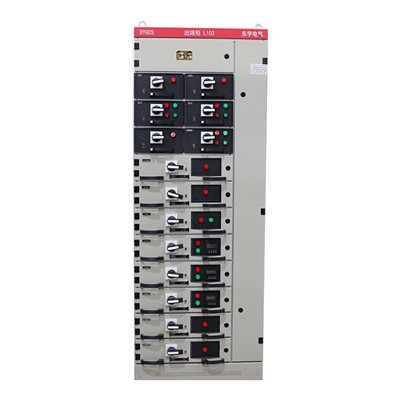
As a supplier of MNS Incoming Cabinets, ensuring the reliable grounding of these cabinets is of utmost importance. Grounding is not only a safety measure but also a critical factor in the proper functioning of electrical systems. In this blog, I will share some key points on how to ensure the reliable grounding of MNS Incoming Cabinets.
Understanding the Importance of Grounding
Grounding serves several crucial purposes in an electrical system. First and foremost, it provides a path for electrical current to flow safely into the earth in the event of a fault. This helps to protect personnel and equipment from electrical shock and damage. Additionally, grounding helps to stabilize the electrical system by reducing voltage fluctuations and electromagnetic interference.
In the context of MNS Incoming Cabinets, reliable grounding is essential for the following reasons:
- Safety: A properly grounded cabinet ensures that any electrical faults are quickly diverted to the ground, minimizing the risk of electrical shock to operators and maintenance personnel.
- Equipment Protection: Grounding helps to protect the cabinet and its components from damage caused by electrical surges and short circuits.
- Electromagnetic Compatibility (EMC): A good grounding system reduces electromagnetic interference, which can affect the performance of sensitive electronic equipment.
Key Steps for Ensuring Reliable Grounding
1. Selecting the Right Grounding System
There are several types of grounding systems available, and the choice depends on the specific requirements of the electrical installation. The most common grounding systems for MNS Incoming Cabinets are:
- TN-S System: In this system, the neutral and protective earth conductors are separate throughout the installation. This provides a high level of safety and is suitable for most applications.
- TN-C-S System: This system combines the neutral and protective earth conductors in the supply side and separates them at the main distribution board. It is a cost-effective solution for small to medium-sized installations.
- TT System: In a TT system, the electrical installation is separately grounded at the point of use. This system is commonly used in rural areas or where the supply network has a high impedance.
When selecting a grounding system, it is important to consider factors such as the type of electrical load, the size of the installation, and the local electrical codes and regulations.
2. Proper Installation of Grounding Conductors
The grounding conductors play a crucial role in ensuring the reliable grounding of the MNS Incoming Cabinet. Here are some key points to consider during the installation:


- Size and Material: The grounding conductors should be of the appropriate size and material to carry the fault current safely. Copper is the most commonly used material due to its high conductivity and corrosion resistance.
- Connection: The grounding conductors should be securely connected to the cabinet and the grounding electrode. The connections should be free from corrosion and tight to ensure a low-resistance path.
- Routing: The grounding conductors should be routed in a straight and direct path to the grounding electrode to minimize the impedance. Avoid sharp bends and loops, as they can increase the resistance.
3. Grounding Electrode Installation
The grounding electrode is the point where the electrical system is connected to the earth. It is important to install the grounding electrode correctly to ensure a reliable connection. Here are some guidelines for grounding electrode installation:
- Type of Electrode: The most common types of grounding electrodes are metal rods, plates, and pipes. The electrode should be made of a conductive material such as copper or galvanized steel.
- Depth and Placement: The grounding electrode should be installed at a sufficient depth to ensure good contact with the earth. The depth may vary depending on the soil conditions, but a minimum depth of 2.5 meters is generally recommended. The electrode should also be placed away from sources of interference such as water pipes and underground cables.
- Testing: After the installation, the grounding electrode should be tested to ensure that it has a low resistance to the earth. A grounding resistance tester can be used to measure the resistance. The resistance should be within the acceptable range specified by the local electrical codes.
4. Regular Maintenance and Inspection
Once the MNS Incoming Cabinet is installed and grounded, it is important to perform regular maintenance and inspection to ensure the continued reliability of the grounding system. Here are some key points to consider:
- Visual Inspection: Regularly inspect the grounding conductors and connections for signs of damage, corrosion, or loose connections. Any issues should be addressed immediately.
- Testing: Periodically test the grounding resistance to ensure that it remains within the acceptable range. If the resistance is found to be higher than the specified value, the grounding system should be checked for faults and repaired if necessary.
- Documentation: Keep a record of all maintenance and inspection activities, including the date, results, and any actions taken. This documentation can be used to track the performance of the grounding system over time.
Additional Considerations
In addition to the above steps, there are some other factors to consider when ensuring the reliable grounding of MNS Incoming Cabinets:
- Bonding: All metal parts of the cabinet, including the enclosure, doors, and frames, should be bonded together to ensure electrical continuity. This helps to prevent the buildup of static electricity and reduces the risk of electrical shock.
- Isolation: The MNS Incoming Cabinet should be properly isolated from other electrical equipment to prevent the transfer of electrical faults. This can be achieved by using isolation transformers or other isolation devices.
- Compatibility: When selecting the grounding system and components, it is important to ensure that they are compatible with the MNS Incoming Cabinet and the electrical installation. This includes considering factors such as the voltage rating, current capacity, and environmental conditions.
Conclusion
Ensuring the reliable grounding of MNS Incoming Cabinets is a critical aspect of electrical system design and installation. By following the key steps outlined in this blog, you can ensure that your MNS Incoming Cabinet is properly grounded and provides a safe and reliable electrical supply.
If you are interested in purchasing MNS Incoming Cabinets or have any questions about grounding, please feel free to contact us for further information. We are a leading supplier of MNS Incoming Cabinets and can provide you with high-quality products and professional technical support.
For more information about related products, you can visit the following links:
References
- Electrical Installation Guide, IEC 60364
- National Electrical Code (NEC), NFPA 70