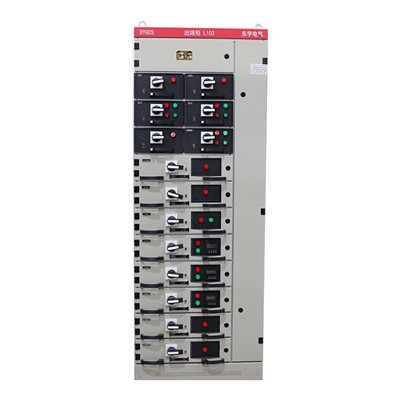
As a provider of fixed type switchgear, I understand the critical importance of fault - tolerance capabilities in electrical systems. Fault - tolerance refers to the ability of a system to continue operating properly in the face of faults or malfunctions. In the context of fixed type switchgear, enhancing fault - tolerance can significantly improve the reliability and safety of power distribution systems. In this blog, I will share some effective strategies to improve the fault - tolerance capabilities of fixed type switchgear.
1. Component Selection and Quality Assurance
The first step in improving fault - tolerance is to select high - quality components. When choosing circuit breakers, contactors, relays, and other key components, it is essential to opt for products from reputable manufacturers. These components should meet relevant international and national standards, such as IEC and GB standards.
For example, a high - quality circuit breaker can quickly and accurately interrupt the circuit when a fault occurs, preventing the spread of the fault and protecting other equipment in the system. Regularly inspecting and testing these components during the manufacturing process can also ensure their reliability. By using high - quality components, we can reduce the probability of component failures, which is the root cause of many faults in switchgear.


2. Redundancy Design
Redundancy is a key concept in improving fault - tolerance. In fixed type switchgear, we can design redundant circuits and components. For instance, we can install multiple circuit breakers in parallel to ensure that if one circuit breaker fails, the others can still carry the load and maintain the normal operation of the system.
Another form of redundancy is the use of standby power supplies. In case of a power outage or a fault in the main power supply, the standby power supply can automatically take over, ensuring continuous power supply to critical loads. This is especially important for applications where uninterrupted power is required, such as hospitals, data centers, and industrial production lines.
3. Monitoring and Diagnostic Systems
Implementing advanced monitoring and diagnostic systems is crucial for improving fault - tolerance. These systems can continuously monitor the operating parameters of the switchgear, such as current, voltage, temperature, and humidity. By analyzing these data, we can detect potential faults in advance and take preventive measures.
For example, if the temperature of a circuit breaker rises abnormally, it may indicate a problem with the contact or overloading. The monitoring system can send an alarm to the maintenance personnel, allowing them to check and repair the equipment in time. Additionally, diagnostic systems can perform self - tests on the switchgear to identify internal faults and provide detailed information about the fault location and nature.
4. Thermal Management
Proper thermal management is essential for the reliable operation of fixed type switchgear. High temperatures can cause components to degrade and fail, reducing the fault - tolerance of the system. To prevent overheating, we can install cooling devices, such as fans or heat sinks, in the switchgear cabinet.
In addition, ensuring proper ventilation in the switchgear room is also important. Adequate ventilation can help dissipate heat and maintain a stable operating temperature. Regularly cleaning the ventilation channels and filters can prevent the accumulation of dust and debris, which can block the airflow and increase the temperature.
5. Grounding and Protection Systems
A well - designed grounding and protection system is vital for fault - tolerance. Proper grounding can provide a low - impedance path for fault currents, ensuring that the fault can be quickly cleared. In addition, protection relays can detect faults and send signals to the circuit breakers to interrupt the circuit.
We should also ensure that the grounding system is regularly inspected and maintained to ensure its effectiveness. Any loose connections or corrosion in the grounding system can reduce its performance and increase the risk of electrical accidents.
6. Training and Maintenance
Proper training of maintenance personnel is essential for improving the fault - tolerance of fixed type switchgear. Maintenance personnel should be familiar with the structure and operation of the switchgear, as well as the procedures for fault diagnosis and repair. Regular training can help them keep up with the latest technologies and best practices in switchgear maintenance.
In addition, regular maintenance is necessary to ensure the long - term reliability of the switchgear. This includes cleaning, tightening connections, lubricating moving parts, and replacing worn - out components. By performing regular maintenance, we can detect and address potential problems before they lead to major faults.
Product Recommendations
As a fixed type switchgear supplier, we offer a range of high - quality products, including GCS Filter Cabinet, GCS Tie Cabinet, and GCS Capacitor Cabinet. These products are designed with advanced technologies and high - quality components to ensure excellent fault - tolerance capabilities.
If you are interested in our products or have any questions about improving the fault - tolerance of fixed type switchgear, please feel free to contact us for a detailed discussion. We are committed to providing you with the best solutions to meet your specific needs.
References
- International Electrotechnical Commission (IEC). Standards for low - voltage switchgear and controlgear.
- Chinese National Standards (GB). Standards for electrical equipment in power distribution systems.
- Textbooks on electrical engineering and power system protection.