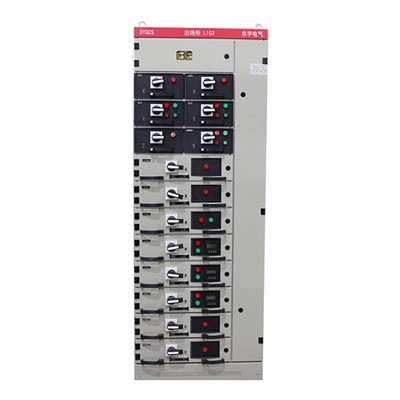
As a supplier of high voltage switch gear, I've witnessed firsthand the pivotal role temperature rise testing plays in the industry. High voltage switch gear is the cornerstone of electrical power systems, ensuring the safe and efficient distribution of electricity. In this blog, I'll delve into the significance of temperature rise tests for high voltage switch gear, drawing on my experiences and industry knowledge.
Understanding High Voltage Switch Gear
High voltage switch gear is a critical component in electrical power systems, used to control, protect, and isolate electrical equipment. It includes circuit breakers, switches, fuses, and other devices that operate at high voltages, typically above 1 kV. These components are designed to handle large amounts of electrical current and are subject to various stresses during operation.


One of the key products we offer is the KYN61-40.5 Switch Cabinet, a state-of-the-art metal-clad switchgear cabinet. It is designed to provide reliable and safe operation in high voltage applications. Another popular product is the KYN61-40.5 Switchgear, which offers advanced features and high performance.
The Importance of Temperature Rise Testing
Temperature rise testing is a crucial part of the quality assurance process for high voltage switch gear. It involves subjecting the switch gear to a specified electrical load for a certain period and measuring the temperature rise at various points. This test helps to ensure that the switch gear can operate safely and efficiently under normal and abnormal conditions.
Safety Assurance
One of the primary reasons for temperature rise testing is to ensure the safety of the switch gear. Excessive temperature rise can lead to a variety of problems, including insulation degradation, overheating of components, and even fire. By conducting temperature rise tests, we can identify potential hotspots and take corrective actions to prevent these issues.
For example, if a particular connection in the switch gear is generating more heat than expected, it could indicate a loose connection or a problem with the conductor. By detecting this early through temperature rise testing, we can tighten the connection or replace the conductor, reducing the risk of a safety hazard.
Performance Evaluation
Temperature rise testing also helps to evaluate the performance of the switch gear. The temperature rise of the switch gear is directly related to its electrical resistance and the amount of current flowing through it. By measuring the temperature rise, we can determine the efficiency of the switch gear and ensure that it meets the required standards.
In addition, temperature rise testing can help to identify any design flaws or manufacturing defects in the switch gear. If the temperature rise is higher than expected, it could indicate a problem with the design or the materials used. By analyzing the test results, we can make improvements to the design or manufacturing process to enhance the performance of the switch gear.
Compliance with Standards
High voltage switch gear is subject to various national and international standards, such as IEC 62271-1 and ANSI C37.20.1. These standards specify the requirements for temperature rise testing and other performance parameters. By conducting temperature rise tests in accordance with these standards, we can ensure that our switch gear meets the regulatory requirements and is suitable for use in various applications.
The Testing Process
The temperature rise testing process typically involves the following steps:
- Preparation: The switch gear is prepared for testing by ensuring that all connections are tight and the equipment is in good working condition. The test setup is also prepared, including the power source, measuring instruments, and temperature sensors.
- Loading: The switch gear is subjected to a specified electrical load for a certain period, usually several hours. The load is typically based on the rated current of the switch gear.
- Temperature Measurement: During the test, the temperature at various points on the switch gear is measured using temperature sensors. These sensors are typically placed at critical locations, such as the contacts, busbars, and windings.
- Data Analysis: The temperature data is collected and analyzed to determine the temperature rise of the switch gear. The results are compared with the specified limits to ensure that the switch gear meets the requirements.
- Reporting: A detailed report is prepared, including the test results, any observations, and recommendations for improvement. The report is used to document the compliance of the switch gear with the relevant standards.
Conclusion
In conclusion, temperature rise testing is of utmost importance for high voltage switch gear. It ensures the safety, performance, and compliance of the switch gear, which is essential for the reliable operation of electrical power systems. As a high voltage switch gear supplier, we are committed to conducting thorough temperature rise tests on all our products to ensure their quality and reliability.
If you are in the market for high voltage switch gear, we invite you to contact us for more information. Our team of experts can provide you with detailed product information, technical support, and assistance with your specific requirements. We look forward to the opportunity to work with you and help you find the best high voltage switch gear solution for your needs.
References
- IEC 62271-1: High-voltage switchgear and controlgear - Part 1: Common specifications.
- ANSI C37.20.1: Metal-Enclosed Low-Voltage Power Circuit Breaker Switchgear.