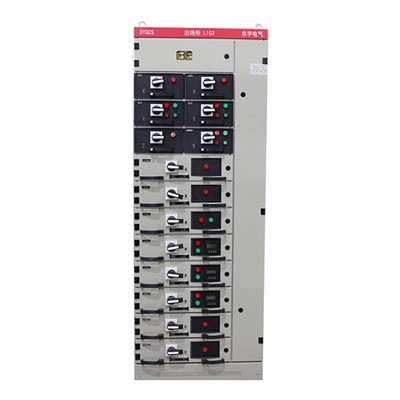
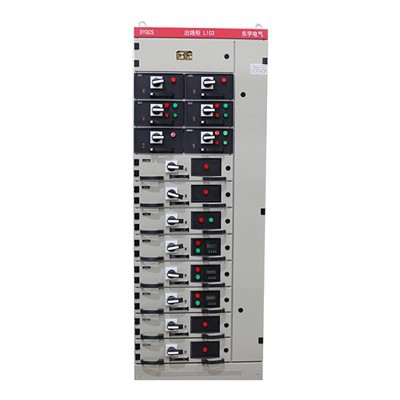
Hey there! As a supplier of GCS Outgoing Cabinets, I often get asked about the connection requirements for these cabinets. So, I thought I'd write this blog to break it all down for you in a simple and easy-to-understand way.
Electrical Connections
First off, let's talk about the electrical connections. When it comes to a GCS Outgoing Cabinet, the most important thing is to ensure a proper power supply connection. You need to connect the cabinet to a reliable power source that can meet the load requirements of the cabinet.
The incoming power cable should be of the appropriate size and rating. This is crucial because if the cable is too small, it can overheat and cause a fire hazard. You'll need to calculate the current and voltage requirements of the cabinet based on the equipment it will be powering. For example, if you're using high-power electrical devices, you'll need a thicker cable with a higher ampacity.
Inside the cabinet, the busbars play a vital role in distributing power. The busbars should be securely connected to the incoming power source and all the outgoing circuits. They need to be properly sized to handle the current flow without excessive voltage drop. A good connection between the busbars and the circuit breakers or other protective devices is also essential. Loose connections can lead to arcing, which can damage the equipment and pose a safety risk.
Signal and Control Connections
Apart from the electrical power connections, there are also signal and control connections. These connections are used to monitor and control the operation of the cabinet and the equipment it powers.
For instance, you might have sensors that detect the temperature, current, or voltage inside the cabinet. These sensors need to be connected to a control system, which can then take appropriate actions if any abnormal conditions are detected. The signal cables should be shielded to prevent interference from other electrical devices. This ensures accurate data transmission and reliable control.
The control connections are used to operate the circuit breakers, switches, and other devices in the cabinet. They need to be properly wired to the control panel or the remote control system. Make sure the wiring is neat and organized, and that the connections are secure. Any loose or incorrect connections can cause the control system to malfunction, leading to unexpected shutdowns or other problems.
Grounding Connections
Grounding is another critical aspect of the connection requirements for a GCS Outgoing Cabinet. A proper grounding system helps to protect the equipment and the personnel from electrical shocks.
The cabinet should be connected to a reliable ground source. This usually involves connecting the cabinet frame to a grounding rod or a grounding grid. The grounding conductor should be of sufficient size to carry the fault current safely. It's also important to ensure that the grounding connection is continuous and free of any corrosion or damage.
In addition to the cabinet frame, all the electrical components inside the cabinet, such as the circuit breakers and the busbars, should also be properly grounded. This helps to prevent the buildup of static electricity and reduces the risk of electrical fires.
Compatibility with Other Equipment
When connecting a GCS Outgoing Cabinet, you also need to consider its compatibility with other equipment in the electrical system. For example, if you're using a GCS Filter Cabinet or a GGD Capacitor Cabinet in the same system, you need to make sure that the connections are compatible.
The voltage, current, and frequency ratings of the different cabinets should match. If there are any differences, you may need to use transformers or other devices to adjust the electrical parameters. Also, the communication protocols between the cabinets should be compatible if you're using a networked control system.


Installation and Testing
Once all the connections are made, it's important to perform a thorough installation and testing process. During the installation, make sure that the cabinet is properly mounted and leveled. The cables should be routed neatly and secured to prevent any damage.
After the installation, you need to test the electrical connections to ensure that they are working properly. This includes checking the continuity of the circuits, measuring the voltage and current, and testing the operation of the protective devices. Any faults or issues should be addressed immediately before putting the cabinet into service.
Maintenance and Monitoring
Even after the cabinet is installed and tested, it's important to perform regular maintenance and monitoring. The connections should be inspected periodically for any signs of wear, corrosion, or loose connections. Tightening the connections and replacing any damaged components can help to prevent problems in the future.
Monitoring the performance of the cabinet is also crucial. You can use monitoring devices to track the temperature, current, and voltage inside the cabinet. This can help you detect any abnormal conditions early and take appropriate actions to prevent equipment failure.
Conclusion
In conclusion, the connection requirements for a GCS Outgoing Cabinet are quite complex and require careful attention to detail. From the electrical power connections to the signal and control connections, grounding, and compatibility with other equipment, every aspect needs to be considered.
If you're in the market for a GCS Outgoing Cabinet or need more information about the connection requirements, feel free to reach out to us. We're here to help you make the right choices and ensure a safe and reliable electrical system. Whether you're a small business owner or a large industrial facility, we can provide you with the high-quality GCS Outgoing Cabinets and the support you need. So, don't hesitate to contact us for a consultation and let's discuss how we can meet your specific needs.
References
- Electrical Installation Standards Handbook
- Low Voltage Switchgear Technical Manuals