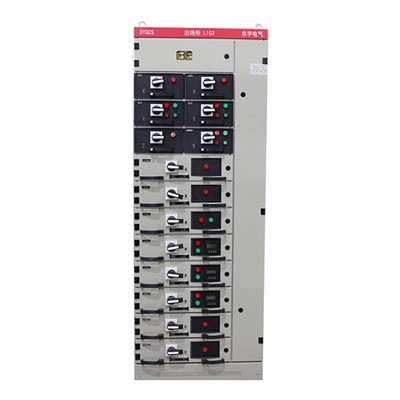
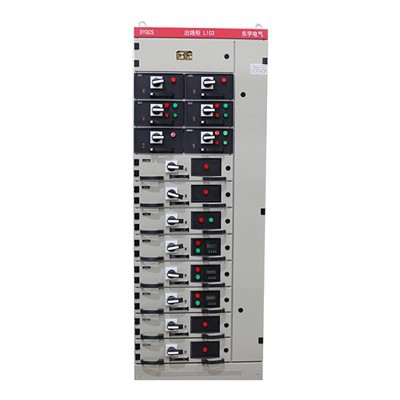
As a supplier of GCK Incoming Cabinets, I often encounter inquiries from customers about the installation orientation of these cabinets. The question of whether GCK Incoming Cabinets can be installed vertically or horizontally is a crucial one that impacts the overall design and functionality of electrical systems. In this blog, I will delve into the details of this topic, providing insights based on my experience in the industry.
Understanding GCK Incoming Cabinets
Before we discuss the installation orientation, it's essential to understand what GCK Incoming Cabinets are. These cabinets are a type of low - voltage switchgear, which are designed to receive electrical power from the main power source and distribute it to various sub - circuits within a building or industrial facility. They play a vital role in ensuring the safe and efficient operation of electrical systems. You can learn more about GCK Incoming Cabinet on our official website.
Vertical Installation of GCK Incoming Cabinets
Vertical installation is a common method for GCK Incoming Cabinets. There are several advantages to this approach:
Space Utilization
In many cases, vertical installation allows for better use of floor space. In industrial settings where space is often limited, stacking the cabinets vertically can save a significant amount of floor area. This is especially beneficial for facilities that need to accommodate multiple cabinets or have a large number of electrical circuits.
Heat Dissipation
Vertical installation promotes better heat dissipation. Heat naturally rises, and when the cabinet is installed vertically, the hot air can escape more easily through the top of the cabinet. This helps to maintain a lower temperature inside the cabinet, which is crucial for the proper functioning and longevity of the electrical components.
Cable Management
Vertical installation also simplifies cable management. Cables can be neatly arranged along the vertical sides of the cabinet, reducing the risk of cable entanglement and making it easier to access and maintain the cables.
However, vertical installation also has some limitations. For example, it may require more height clearance in the installation area. If the ceiling height is limited, it may not be possible to install the cabinets vertically.


Horizontal Installation of GCK Incoming Cabinets
Horizontal installation is another option for GCK Incoming Cabinets, and it has its own set of advantages:
Ease of Access
Horizontal installation provides easier access to the internal components of the cabinet. Maintenance personnel can easily reach all parts of the cabinet without having to climb up or down, which is especially useful for routine inspections and repairs.
Flexibility in Layout
Horizontal installation offers more flexibility in the layout of the electrical system. It can be easier to integrate the cabinet with other equipment in a horizontal arrangement, especially in situations where the overall layout of the facility requires a more horizontal flow of electrical connections.
Lower Height Requirement
Unlike vertical installation, horizontal installation does not require a large amount of height clearance. This makes it a suitable option for areas with low ceilings or limited vertical space.
On the other hand, horizontal installation may have some drawbacks. It may require more floor space compared to vertical installation. Additionally, heat dissipation may be less efficient in a horizontal orientation, as the natural flow of hot air is disrupted.
Factors to Consider When Choosing the Installation Orientation
When deciding whether to install GCK Incoming Cabinets vertically or horizontally, several factors need to be taken into account:
Available Space
The most obvious factor is the available space in the installation area. If the floor space is limited and there is sufficient height, vertical installation may be the better choice. Conversely, if the height is limited and there is more floor space available, horizontal installation may be more suitable.
Electrical System Requirements
The specific requirements of the electrical system also play a role. For example, if the system requires a large number of cables to be connected to the cabinet, vertical installation may be more conducive to proper cable management. However, if the system needs to be integrated with other equipment in a horizontal layout, horizontal installation may be more appropriate.
Maintenance and Accessibility
Maintenance and accessibility are crucial considerations. If easy access to the internal components of the cabinet is a priority, horizontal installation may be preferred. On the other hand, if the cabinet is located in an area where vertical access is not a problem, vertical installation can still provide good access with the use of proper safety equipment.
Heat Dissipation
Heat dissipation is an important factor for the proper functioning of the electrical components in the cabinet. Vertical installation generally provides better heat dissipation, but if the installation area has good ventilation, horizontal installation may also be able to maintain an acceptable temperature.
Compatibility with Other Cabinets
GCK Incoming Cabinets are often used in conjunction with other types of cabinets, such as GCK Tie Cabinet and GCK Outgoing Cabinet. The installation orientation of the GCK Incoming Cabinet should be compatible with the installation of these other cabinets to ensure a seamless and efficient electrical system.
Conclusion
In conclusion, both vertical and horizontal installation of GCK Incoming Cabinets have their own advantages and disadvantages. The choice of installation orientation depends on various factors, including available space, electrical system requirements, maintenance and accessibility, and heat dissipation. As a supplier, I can provide professional advice based on your specific needs to help you make the right decision.
If you are interested in purchasing GCK Incoming Cabinets or need more information about their installation, please feel free to contact us for a detailed discussion. We are committed to providing high - quality products and excellent service to meet your electrical system needs.
References
- Industry standards for low - voltage switchgear installation.
- Manufacturer's guidelines for GCK Incoming Cabinets.