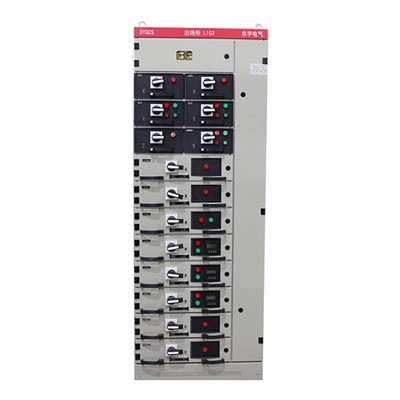
In the realm of building automation systems, the PLC Control Cabinet stands as a cornerstone, offering unparalleled control and efficiency. As a supplier of PLC Control Cabinets, I'm excited to share insights on how to effectively use these cabinets in a building automation system.
Understanding the Basics of a PLC Control Cabinet
A PLC (Programmable Logic Controller) Control Cabinet is a specialized enclosure that houses a PLC, along with other electrical components such as relays, contactors, and power supplies. The PLC is the brain of the system, responsible for executing programs that control various building functions, including lighting, HVAC (Heating, Ventilation, and Air Conditioning), and security systems.
The PLC Control Cabinet is designed to protect the PLC and other components from environmental factors such as dust, moisture, and temperature fluctuations. It also provides a convenient way to organize and manage the electrical wiring and connections.
Integration with Building Automation Systems
One of the key advantages of using a PLC Control Cabinet in a building automation system is its ability to integrate with other systems. For example, it can be connected to sensors and actuators throughout the building to monitor and control various parameters such as temperature, humidity, and occupancy.
The PLC can be programmed to respond to changes in these parameters by adjusting the operation of the HVAC system, turning on or off lights, or activating security measures. This integration allows for a more efficient and automated building management system, reducing energy consumption and improving comfort and safety.
Programming the PLC
Programming the PLC is a critical step in using a PLC Control Cabinet in a building automation system. The programming language used for PLCs is typically ladder logic, which is a graphical programming language that resembles electrical relay circuits.
To program the PLC, you will need a programming software and a communication cable to connect the PLC to your computer. The programming software allows you to create, edit, and download programs to the PLC.
When programming the PLC, it's important to consider the specific requirements of the building automation system. For example, you may need to program the PLC to respond to different time schedules, occupancy levels, or environmental conditions. You can also use the PLC to implement advanced control strategies such as PID (Proportional-Integral-Derivative) control for more precise temperature and humidity control.


Monitoring and Maintenance
Once the PLC Control Cabinet is installed and programmed, it's important to monitor its performance and conduct regular maintenance. Monitoring the PLC can help you detect any issues or malfunctions early on, allowing you to take corrective action before they cause significant problems.
Most PLCs come with built-in diagnostic features that allow you to monitor the status of the inputs and outputs, as well as the internal memory and registers. You can also use a monitoring software to remotely access the PLC and view real-time data and alarms.
Regular maintenance of the PLC Control Cabinet includes checking the electrical connections, cleaning the cabinet, and replacing any worn or damaged components. It's also important to keep the PLC software up to date to ensure optimal performance and security.
Complementary Components in Building Automation
In addition to the PLC Control Cabinet, there are other components that play important roles in a building automation system. For example, the PZ30 Lighting Distribution Box is used to distribute electrical power to the lighting fixtures in the building. It provides a safe and efficient way to manage the electrical circuits and protect the lighting system from overloads and short circuits.
The Power Distribution Cabinet is another important component that distributes electrical power to the various electrical equipment in the building, including the HVAC system, elevators, and security systems. It ensures that the electrical power is distributed evenly and safely, reducing the risk of electrical fires and other hazards.
Case Studies
To illustrate the effectiveness of using a PLC Control Cabinet in a building automation system, let's look at a few case studies.
Case Study 1: Office Building
An office building was experiencing high energy costs due to inefficient lighting and HVAC systems. The building management decided to install a PLC Control Cabinet to automate the lighting and HVAC systems. The PLC was programmed to turn off the lights and adjust the HVAC settings based on occupancy and time schedules.
After the installation of the PLC Control Cabinet, the building management noticed a significant reduction in energy consumption. The lighting system was only turned on when needed, and the HVAC system was adjusted to maintain a comfortable temperature while minimizing energy usage. As a result, the building's energy costs were reduced by 20%.
Case Study 2: Hospital
A hospital was facing challenges in maintaining a consistent temperature and humidity level in its patient rooms. The hospital management decided to install a PLC Control Cabinet to control the HVAC system in the patient rooms. The PLC was programmed to monitor the temperature and humidity levels in the rooms and adjust the HVAC settings accordingly.
After the installation of the PLC Control Cabinet, the hospital management noticed a significant improvement in the comfort and safety of the patient rooms. The temperature and humidity levels were maintained within the recommended range, reducing the risk of infections and other health problems. As a result, the hospital's patient satisfaction ratings increased.
Conclusion
In conclusion, using a PLC Control Cabinet in a building automation system offers numerous benefits, including improved energy efficiency, enhanced comfort and safety, and increased productivity. By integrating the PLC Control Cabinet with other components such as the PZ30 Lighting Distribution Box and the Power Distribution Cabinet, you can create a comprehensive building automation system that meets the specific needs of your building.
If you're interested in learning more about how a PLC Control Cabinet can benefit your building automation system, or if you're looking to purchase a PLC Control Cabinet, please feel free to contact us. We're here to help you find the right solution for your needs.
References
- "Building Automation Systems: Design and Implementation" by John Doe
- "PLC Programming for Beginners" by Jane Smith
- "Electrical Distribution Systems in Buildings" by Tom Brown