What is the maintenance cycle of withdrawable switchgear?
Hey there! As a supplier of withdrawable switchgear, I often get asked about the maintenance cycle of these important pieces of equipment. Withdrawable switchgear plays a crucial role in electrical systems, providing protection and control for various electrical circuits. So, let's dive into what the maintenance cycle of withdrawable switchgear is all about.
First off, it's important to understand that the maintenance cycle can vary depending on a few factors. These factors include the type of switchgear, the environment it's operating in, and the frequency of use. Generally speaking, there are three main phases in the maintenance cycle: regular inspections, preventive maintenance, and corrective maintenance.
Regular Inspections
Regular inspections are the first line of defense in keeping your withdrawable switchgear in top shape. These inspections should be carried out at least once a year, but in some high - usage or harsh - environment settings, they might need to be done more frequently.
During a regular inspection, you'll want to check for a few key things. First, look at the physical condition of the switchgear. Check for any signs of damage, such as cracks in the enclosure or loose connections. You can also visually inspect the internal components, like the circuit breakers and contactors. Make sure there are no signs of overheating, which could be indicated by discoloration or a burning smell.
Another important part of the inspection is to check the functionality of the switchgear. This involves testing the operation of the circuit breakers, making sure they trip at the right time and reset properly. You can also test the auxiliary contacts and control circuits to ensure they are working as they should.
Preventive Maintenance
Preventive maintenance is all about taking steps to prevent problems from occurring in the first place. This is usually done on a less frequent basis than regular inspections, typically every 3 - 5 years.
One of the main tasks in preventive maintenance is to clean the switchgear. Over time, dust and debris can accumulate inside the enclosure, which can cause insulation problems and reduce the efficiency of the components. Cleaning should be done carefully, using appropriate tools and cleaning agents.
Lubrication is also an important part of preventive maintenance. Moving parts, such as the draw - out mechanism, need to be lubricated to ensure smooth operation. This helps to reduce wear and tear and extends the lifespan of the switchgear.
In addition to cleaning and lubrication, preventive maintenance also involves checking and tightening electrical connections. Loose connections can lead to increased resistance, which can cause overheating and potentially lead to a failure. By tightening the connections regularly, you can prevent these issues from occurring.
Corrective Maintenance
Corrective maintenance is what you do when something goes wrong with the switchgear. This could be due to a component failure, a short - circuit, or some other issue. When a problem is detected, it's important to address it as soon as possible to minimize downtime.
The first step in corrective maintenance is to diagnose the problem. This might involve using diagnostic tools, such as multimeters and insulation testers, to identify the faulty component. Once the problem has been identified, the faulty component can be replaced or repaired.
After the repair has been made, it's important to test the switchgear to make sure it's working properly. This involves running a series of tests to ensure that the circuit breakers are tripping correctly, the control circuits are functioning, and there are no other issues.
Specific Considerations for Different Types of Withdrawable Switchgear
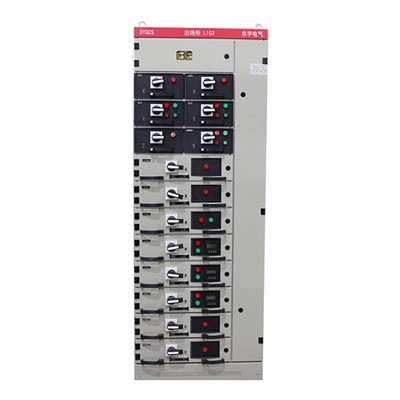
As a supplier, I deal with different types of withdrawable switchgear, such as the GCK Tie Cabinet, GCK Outgoing Cabinet, and GCK Incoming Cabinet. Each type has its own specific maintenance requirements.
The GCK Tie Cabinet is used to connect different sections of an electrical system. It's important to pay special attention to the connections in this type of cabinet, as any loose or faulty connections can disrupt the flow of electricity between the sections. Regular inspections should focus on the integrity of these connections.
The GCK Outgoing Cabinet is responsible for distributing electricity to various loads. The circuit breakers in this cabinet need to be tested regularly to ensure they can handle the load and trip in case of an overload or short - circuit. Also, the insulation of the outgoing cables should be checked to prevent any leakage.
The GCK Incoming Cabinet is where the power enters the electrical system. It's crucial to ensure that the incoming power is stable and that the protection devices in this cabinet are working properly. This includes checking the voltage levels, the operation of the main circuit breaker, and the grounding system.
Why Maintenance is So Important
Maintaining your withdrawable switchgear is not just about keeping it in good working condition; it's also about safety. Faulty switchgear can pose a serious risk of electrical shock, fire, and other hazards. By following a proper maintenance cycle, you can reduce these risks and ensure the safety of your personnel and equipment.
In addition to safety, regular maintenance can also save you money in the long run. By detecting and addressing problems early, you can avoid costly repairs and downtime. A well - maintained switchgear also has a longer lifespan, which means you won't have to replace it as often.


Contact Us for Your Withdrawable Switchgear Needs
If you're in the market for high - quality withdrawable switchgear or need help with maintenance, we're here to assist you. Our team of experts has years of experience in the industry and can provide you with the best solutions for your electrical needs. Whether you're looking for a new GCK Tie Cabinet, GCK Outgoing Cabinet, or GCK Incoming Cabinet, we've got you covered. Don't hesitate to reach out and start a conversation about your requirements.
References
- Electrical Equipment Maintenance Handbook
- Standards for Withdrawable Switchgear Maintenance