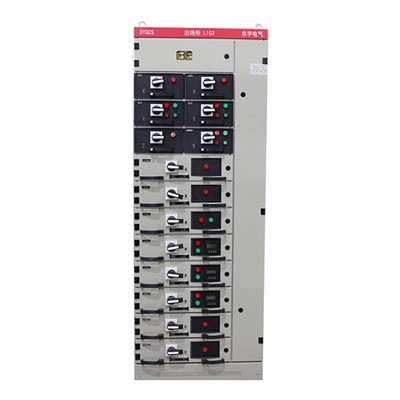
Hey there! As a supplier of GCS Outgoing Cabinets, I've seen my fair share of issues, and one of the most common problems is an overheated cabinet. In this blog, I'll share some tips on how to handle an overheated GCS Outgoing Cabinet.
First off, let's understand why a GCS Outgoing Cabinet might overheat. There are several reasons for this. One of the main causes is overloading. If you're running too many electrical devices through the cabinet, it can cause the components to work harder than they're designed to, generating more heat. Another reason could be poor ventilation. If the cabinet is placed in a confined space or if the ventilation holes are blocked, the heat can't escape, leading to an increase in temperature.
Now, let's talk about how to identify an overheated cabinet. There are a few signs you can look out for. One of the most obvious is a burning smell. If you notice a strange odor coming from the cabinet, it could be a sign that something is overheating. Another sign is discoloration. If the cabinet or its components are turning brown or black, it's a clear indication that there's a problem. You might also notice that the cabinet feels hot to the touch. If it's too hot to keep your hand on for more than a few seconds, it's definitely overheated.
Once you've identified that the cabinet is overheating, the first thing you need to do is to reduce the load. Check the electrical devices connected to the cabinet and see if you can turn off any that aren't essential. This will reduce the amount of work the cabinet has to do and help to lower the temperature.
Next, you need to improve the ventilation. Make sure that the cabinet is placed in a well-ventilated area. If possible, move it away from walls or other objects that might be blocking the ventilation holes. You can also use a fan to blow air into the cabinet and help to dissipate the heat.
If the overheating problem persists, you might need to check the components inside the cabinet. Look for any signs of damage or wear and tear. If you find any faulty components, replace them as soon as possible. This will not only help to solve the overheating problem but also prevent any further damage to the cabinet.
In some cases, you might need to upgrade the cabinet. If you're constantly running a high load through the cabinet, it might be time to invest in a larger or more powerful model. This will ensure that the cabinet can handle the electrical demand without overheating.
Now, let's talk about some preventive measures you can take to avoid overheating in the first place. One of the most important things is to size the cabinet correctly. Make sure that you choose a cabinet that is suitable for the electrical load you'll be running through it. You can consult with an electrician or a professional in the field to help you make the right choice.
Another preventive measure is to perform regular maintenance on the cabinet. This includes cleaning the ventilation holes, checking the components for damage, and tightening any loose connections. By keeping the cabinet in good condition, you can reduce the risk of overheating.
It's also a good idea to monitor the temperature of the cabinet. You can use a temperature sensor to keep track of the temperature inside the cabinet. If the temperature starts to rise above a certain level, you can take action before it becomes a serious problem.
In addition to these tips, there are some other types of cabinets that you might be interested in. For example, the GGD Tie Cabinet and the GGD Filter Cabinet are both popular choices for low-voltage switchgear. The GCS Tie Cabinet is also a great option if you're looking for a reliable and efficient cabinet.
If you're in the market for a GCS Outgoing Cabinet or any other type of electrical cabinet, don't hesitate to get in touch. We're here to help you find the right solution for your needs. Whether you're a small business or a large corporation, we have the expertise and the products to meet your requirements.
In conclusion, handling an overheated GCS Outgoing Cabinet is all about identifying the problem, taking the right steps to solve it, and implementing preventive measures to avoid it in the future. By following the tips in this blog, you can keep your cabinet running smoothly and avoid any costly downtime.


References:
- Electrical safety guidelines
- Manufacturer's specifications for GCS Outgoing Cabinets
- Industry best practices for handling overheated electrical equipment